Visiting the Temple of Olympian Zeus and Hadrian's Arch in Athens: the story of a colossal temple, what remains, how long to allow and the best light.
By Yana, a local in Athens · Updated October 2026
The Temple of Olympian Zeus – a forest of giant columns
Standing before the Temple of Olympian Zeus in Athens, the first thing that strikes you is scale. Its towering Corinthian columns rise some seventeen metres and feel almost superhuman. This was one of the largest temples of the ancient world, and it sits a short walk from Plaka, the Acropolis and the National Garden. Although only a handful of columns survive, the site is deeply dramatic – especially with the Acropolis peeking out behind them. It is a relatively quick visit, which makes it easy to fit into any day in the city.
A temple seven centuries in the making
The story is part of the magic. Work began in the sixth century BC under the tyrants who then ruled Athens, but stopped when they were overthrown – perhaps partly because the new democracy disliked such a grandiose monument. The temple stood half-finished for centuries until the Roman emperor Hadrian, a devoted admirer of Athens, completed it in the second century AD. Originally it had more than a hundred columns; fifteen still stand. Another lies where a nineteenth-century storm toppled it, and seeing its sections on the ground shows just how enormous they are.
Hadrian's Arch – where old Athens met new
At the corner of the site, beside a busy avenue, stands Hadrian's Arch, an elegant stone gateway built in honour of the emperor. It carries two ancient Greek inscriptions: one side declares this is Athens, the ancient city of Theseus, while the other announces that this is the city of Hadrian and not of Theseus. In other words, it marked the boundary between the old town and the new quarter Hadrian built. The arch stands outside the ticketed area, so you can stop for a photo even if you don't go in.
What you'll see and how to visit
The site is open and flat, so it is an easy visit for children and older travellers alike. Besides the great columns there are remains of Roman baths, sections of the ancient city walls and other buildings, with helpful information panels. Half an hour to an hour is enough for most people. There is very little shade, so in summer come early or towards evening with a hat and water. Opening hours change by season, so check before you go. Even from outside the fence, the columns are clearly visible – handy if you're short on time.
The best time for photos
Late afternoon is the loveliest time here. Low sunlight turns the marble a warm amber, and as the sun sinks you can frame the columns with the Acropolis behind them. After dark, when both the temple and the Acropolis are lit, the view from the surrounding streets is striking too. Photographers should walk around the perimeter fence and try different angles, including from the National Garden side. On clear winter and spring days, deep blue skies behind the columns make for a perfect shot.
What to combine nearby
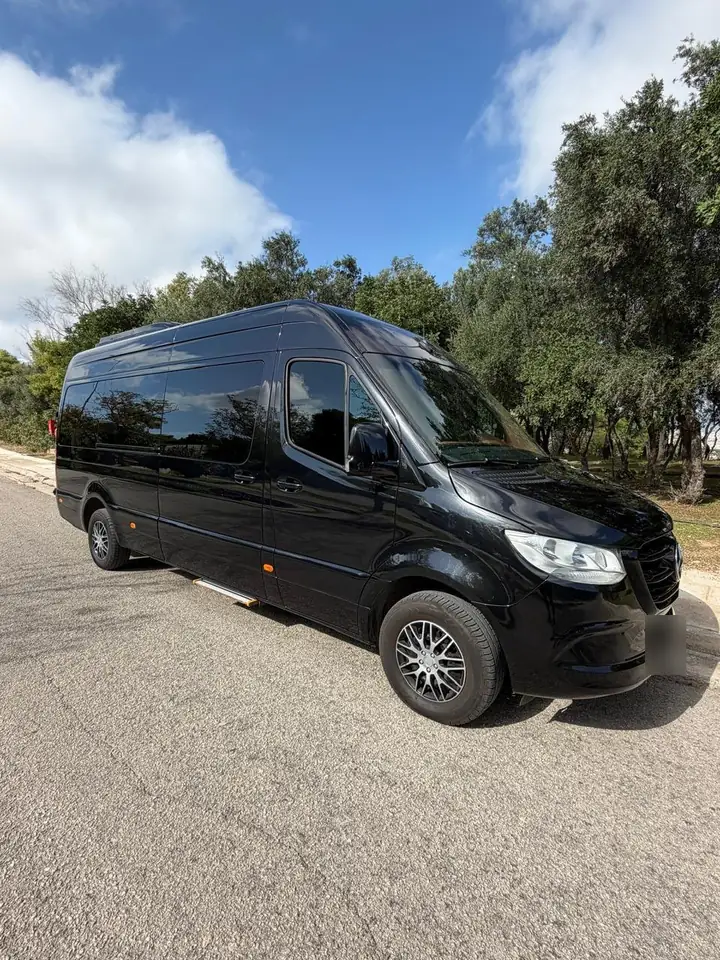
The temple sits at a perfect crossroads. On one side are Plaka and the Acropolis Museum, a few minutes' walk away. On the other are the National Garden, the Zappeion and, a little further on, the Panathenaic Stadium – an easy half-day loop. If you'd like to see a lot without tiring out, Yana can arrange a motorized city tour that links these sights, or a private driver to carry you between them on a hot day.
Questions & answers
How long does a visit to the Temple of Olympian Zeus take?
Usually half an hour to an hour. It is an open, compact site, so it pairs easily with Plaka or the National Garden.
Can I see the temple without going in?
Yes. The columns are clearly visible through the fence from several nearby streets, and Hadrian's Arch stands outside the site, open to everyone.
How many columns are left?
Fifteen columns still stand, and another lies on the ground after a nineteenth-century storm brought it down. Originally there were more than a hundred.
When is the best time to go?
Early morning to avoid the heat, or late afternoon for warm light and photos with the Acropolis in the background.