A guide to Athens markets: Varvakios central market, the weekly laiki street markets and the Monastiraki flea market – what to buy, when to go and tips for a great visit.
By Yana, a local in Athens · Updated October 2026
Athens markets – the tastiest way to know the city
Athens markets are where you see the real city, far from the museums and monuments. This is where Athenians buy fish, vegetables, cheese and spices, haggle, swap gossip and drink coffee. For visitors it's an experience full of colour, smells and noise, and a great chance to taste and buy delicious souvenirs. There are three main types: the central market on Athinas Street, the weekly laiki street markets held in every neighbourhood, and the Monastiraki flea market. Each shows a different side of Athens, and at least one deserves a place in your trip.
The central market – Varvakios
The Athens central market, known as Varvakios, stands on Athinas Street between Omonia Square and Monastiraki. Inside the covered hall are the meat and fish sections, with crowded stalls, vendors calling out and ice everywhere. Across the street and in the surrounding lanes you'll find fruit and vegetable stalls and shops selling spices, olives, cheese, honey and dried fruit. It's most interesting in the morning, when the market is at its busiest. It's closed on Sundays and hours vary, so check before you go. Wear closed shoes – the floor in the fish hall is wet.
The weekly street markets – laiki
The laiki is a Greek institution: a weekly street market held in every neighbourhood on a fixed day, when a whole street closes to traffic and fills with stalls of farmers and traders. You'll find seasonal fruit and vegetables, eggs, olives, honey, flowers and sometimes fish and clothing. It's a wonderful window onto everyday Athenian life and a chance to taste fruit as it should be. The markets usually run from morning until around midday, and early is best. Ask at your hotel which laiki takes place nearby and on which day.
The Monastiraki flea market
The Monastiraki flea market spreads through the narrow streets between Monastiraki Square and the area around Avissynias Square. On weekdays it's mostly shops selling souvenirs, sandals, clothing and jewellery; at weekends – especially Sunday morning – antique and second-hand dealers join in with old furniture, records, cameras, books and everything in between. This is the place to hunt for finds and bargain politely. Arrive in the morning, before the crowds and the heat, and keep a close eye on your wallet in the busy lanes.
What to buy at the markets
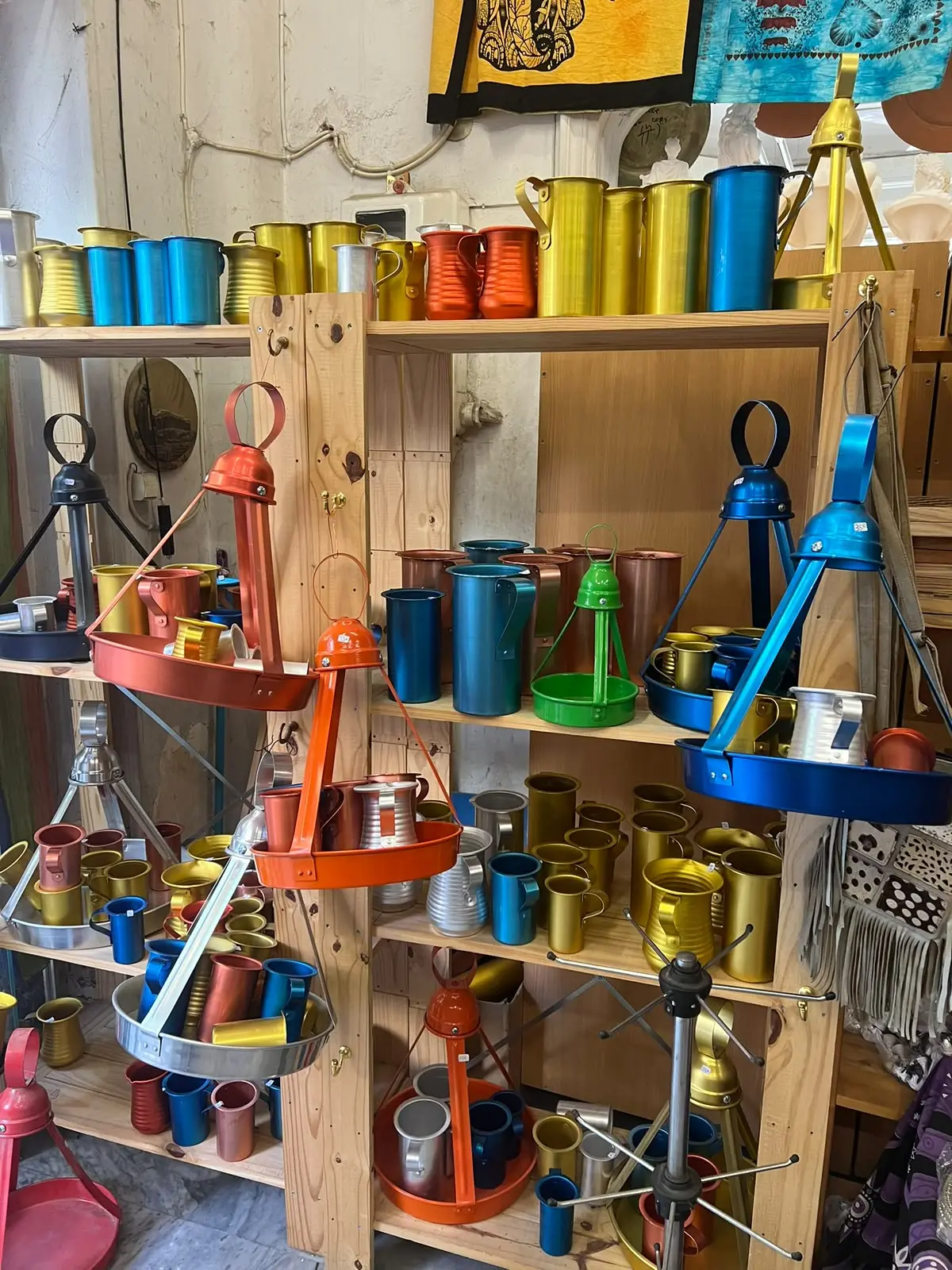
The best buys are edible: olive oil and Kalamata olives, thyme honey, dried oregano and mountain tea, pistachios from Aegina, Greek saffron and dried fruit. Cheeses such as feta and graviera are trickier to fly home with, so check the rules before your flight and ask the vendor to pack them well. At the flea market, look for leather sandals, komboloi worry beads, copperware and jewellery. Tip: bring a cloth bag and some small cash, since not every stall accepts cards.
Combining the market with the rest of your day
The markets are within walking distance of the main sights, so they're easy to fit in. Start the morning at the central market, walk down Athinas Street to the flea market and Monastiraki, then continue into Plaka and Anafiotika. Stop for street food or a simple lunch near the market, and end the day with a taverna night – Yana can book one for you. If you'd rather not walk too much, a motorized city tour passes through these areas and makes it easy to see more.
Questions & answers
When is the best time to visit the Athens central market?
In the morning, when it's busiest. It's closed on Sundays and hours vary, so check before you go.
When is the Monastiraki flea market on?
Shops are open through the week; at weekends, especially Sunday morning, antique and second-hand dealers join in.
Can I fly home with food from the market?
Dry goods such as spices, honey and well-sealed olive oil are usually fine. For cheese and liquids, check your airline's and destination's rules.